Asbestos Awareness Week: What Every Tradie Needs to Know to Stay Compliant and Safe.
06 Nov 2025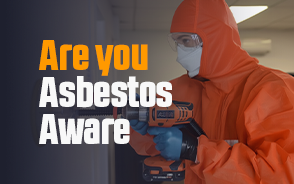
Asbestos remains New Zealand's number one work-related killer. This is a critical reminder for all tradespeople, that 17 -21 November is WorkSafe’s Asbestos Awareness Week. Exposure to asbestos fibres can cause serious and fatal diseases like lung cancer and mesothelioma, with symptoms often taking 10 to 40 years to appear. Since builders and other trades are among the groups most at risk, awareness and strict adherence to safety procedures are essential for compliance and personal safety.
Understanding the Risk and Regulations
The Health and Safety at Work Act 2015 (HSWA) and the Health and Safety at Work (Asbestos) Regulations 2016 govern how we must operate.
- Primary Duty of Care: As a person conducting a business or undertaking (PCBU), you have a primary duty of care to ensure the health and safety of any workers you influence or direct, and to ensure your work does not put others at risk. If you are self-employed, you must ensure your own health and safety.
- Friable vs. Non-Friable:
- Friable asbestos is easily crumbled or reduced to powder, making it the riskiest condition because fibres become airborne easily. All friable asbestos removal must be carried out by a licensed asbestos removalist.
- Non-Friable asbestos is when fibres are bonded into the product, but it can still release fibres if disturbed (e.g., by cutting or drilling). Removal of more than 10 m² of non-friable asbestos must also be done by a licensed asbestos removalist.
Where Asbestos Could be Lurking
Any building built before 1 January 2000 is likely to contain some form of asbestos, especially those constructed between 1940 and the mid-1980s.
Asbestos-Containing Materials (ACMs) are commonly found in:
- Roofing & External Walls: Asbestos cement sheeting, 'Super Six' or 'Super Eight' roof sheeting, and downpipes. External structures like garages, fences, sheds, and carports.
- Interior Linings & Ceilings: Textured ceilings, ceiling tiles, cornices, and fibrous plasterboard.
- Wet Areas: Vinyl flooring/lino, wall tiles, laminated benchtops (Formica) in kitchens, bathrooms, and laundries, and wet area lining substrates.
- Insulation: Lagging around hot water pipes, insulation for hot water tanks, and loose fill asbestos insulation.
What Tradespeople Must Do
Before starting any work on a structure built before 2000, ask about the presence of asbestos. For commercial sites, you must ask for the Asbestos Management Plan. For residential jobs, ask the homeowner and carry out checks if they are unsure.
Safe Work Practices & Protection
- Plan the Job: If possible, plan the work so that no asbestos is disturbed.
- Keep Dust Down: Wet materials using a low-pressure water spray (such as a garden sprayer) before and during work to reduce airborne fibres. NEVER use a high-pressure hose or a broom.
- Use the Right Tools: Restrict power tool use as much as possible. If used, they must be designed to capture or suppress asbestos fibres.
- PPE: Wear a P2 disposable mask with a valve (minimum). Wear disposable coveralls (at least one size larger) over your footwear. Do not re-use disposable masks or coveralls.
- Clean-up: Use a Class H vacuum cleaner with a HEPA filter for clean-up and 'shadow vacuuming'. NEVER use domestic vacuum cleaners.
- Decontamination: Always wear your mask until decontamination is complete. Do not take coveralls home or wear them in vehicles
If Asbestos is Uncovered or Damage Suspected
If material that contains asbestos is uncovered or damaged, you must:
- Stop work immediately.
- Keep people away from the area.
- Minimise the risk of spreading contamination to other areas.
- Get advice from an expert, such as an asbestos assessor.
Waste Disposal
All waste, including disposable PPE and cleaning rags, must be double-bagged in heavy-duty plastic bags. Bags must be sealed using a 'gooseneck twist' with adhesive tape and clearly marked as asbestos waste. All waste must be disposed of at an authorised disposal site.
Training and Resources
Asbestos awareness training is the best way to equip yourself and your team with the essential knowledge to work safely.
We strongly recommend registering for the Site Safe Asbestos Awareness Course to understand identification, safe handling, and appropriate control measures.
For comprehensive detail on all of your responsibilities as a tradesperson, please refer to the WorkSafe Quick Guides:
If you are unsure where asbestos could be lurking, try taking the Site safe quiz:
Stay Compliant, Stay Safe.


Other recent news